
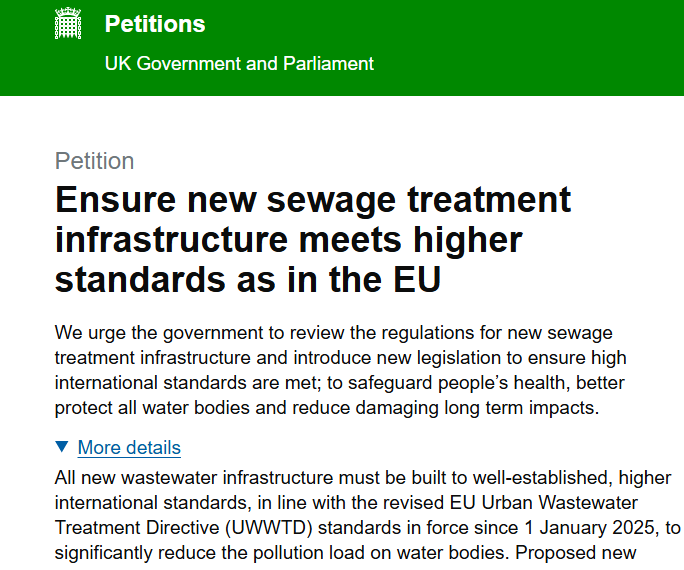
1st May 2026 is a critical milestone in the Save Our Lands and River (SOLAR) campaign as our parliamentary e-petition was been formally published. We now have an opportunity to demand national change and stop harmful, outdated sewage schemes like the Teddington Direct River Abstraction (TDRA) once and for all. We need your signature, and the signatures of everyone you know, to ensure this national policy change becomes a reality.

The Problem: Outdated Schemes, Toxic Pollution, and Higher Bills
The TDRA scheme, which initially sparked the formation of SOLAR, proposes discharging 75 million litres per day (75mld) of tertiary treated sewage into the Thames at Teddington. We are convinced that tertiary treated sewage is not suitable for release into the Thames or any waterbody. This level of treatment, which is focused primarily on decreasing nitrate and phosphorus, fails to target chemicals of emerging concern and harmful biological contaminants, including “forever chemicals”.
Our objections to schemes built on these outdated standards are comprehensive: they are environmentally flawed, threatening long-term ecological damage to the Thames, especially at the unique tidal/freshwater junction where treated sewage will replace abstracted fresh water. This tertiary-treated effluent fails to remove microplastics, pharmaceutical residues, and highly dangerous ‘forever chemicals’ (PFAs). During drought conditions, these contaminants will be dangerously concentrated, while the increase in water temperature and salinity from the effluent harms fish and other aquatic life. Beyond the environmental destruction, the TDRA project is considered poor value for money, non-resilient, and its construction would cause huge social disruption, including heavy construction traffic, noise, and the destruction of protected local green spaces like Ham Lands SINC.
This isn’t just a local issue; its a national scandal. New infrastructure projects across the UK are being built to these same outdated standards. This means they will continue to pollute water bodies, harm wildlife, and threaten public health. Furthermore, constructing new schemes like TDRA to low standards risks a dramatic increase in customer water bills to cover expensive and avoidable future refits and upgrades that will inevitably be needed.
Our National Ask: Demand Higher Standards
Our parliamentary petition, titled: Ensure new sewage treatment infrastructure to meet higher standards, as in the EU, forces the government to address these failures head-on.
The petition urges the UK Government to: Review the regulations for new sewage treatment infrastructure and introduce new legislation to ensure high international standards are met; to safeguard people’s health, better protect all water bodies and reduce damaging long term impacts.
Specifically, we are demanding that all new wastewater infrastructure be built to the well-established, higher standards set out in the revised EU Urban Wastewater Treatment Directive (UWWTD). These standards, in force since January 1, 2025, require treatment at large Sewage Treatment Works (STWs) to be at least Quaternary or Advanced Wastewater Treatment levels, which can remove a significant number of contaminants like forever chemicals and microplastics that tertiary treatment misses.
What You Can Do: Sign and Share
To secure a debate in Parliament and force national legislative change, we must reach 100,000 signatures. We cannot achieve this without your immediate action:
- Sign the Petition: Please sign the petition immediately here.
- Share Widely: Once you sign, please forward the link to your family, friends, neighbours, and community groups. This is a clear, actionable request that appeals to anyone concerned about river quality and water bills.
This is our best chance to secure future-proof sewage infrastructure and protect the Thames, our health, and our wallets. Let’s make sure the government listens!
We will also be looking for volunteers to help us at local events, farmers markets, and to support upcoming survey work, provisionally called “Social Audit,” which will gather our own base data on TDRA’s impact on open spaces and health. Keep an eye out for updates and volunteer opportunities to help us reach our goals.